Understanding Local Regulations: Nashville Fencing Codes and Permits
Cv
Building a fence on your property can enhance privacy, security, and aesthetic appeal. However, it’s essential to understand the local regulations to ensure your project complies with Nashville's fencing codes and permits. This guide will walk you through the key aspects you need to know.
Understanding Nashville's Fencing Codes
Nashville's fencing codes are designed to maintain safety and harmony within neighborhoods. These codes dictate the height, materials, and placement of fences. Typically, residential fences cannot exceed six feet in height in the backyard and four feet in the front yard. Knowing these limits can help you plan your project effectively.
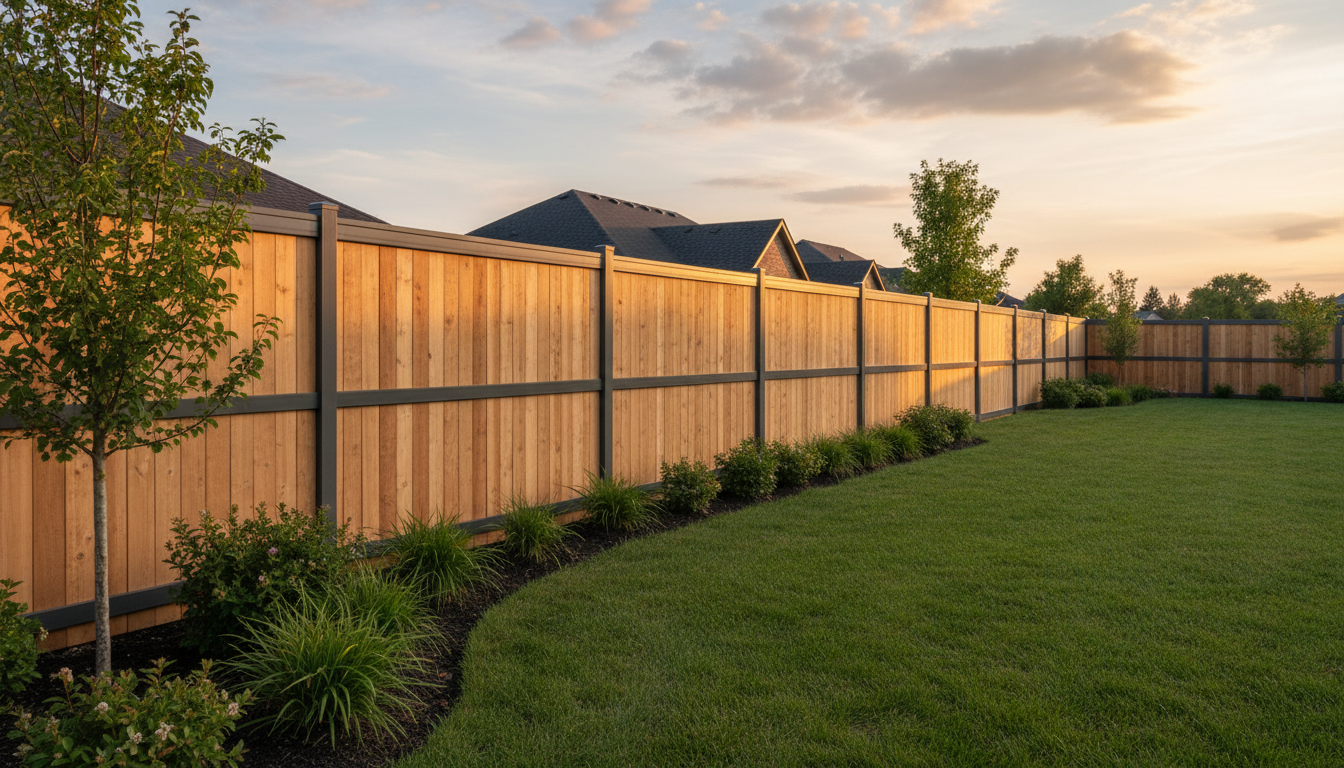
Another critical aspect of the fencing code is the material used. Nashville allows a variety of materials such as wood, vinyl, and chain link. However, some areas may have specific restrictions, so it’s crucial to check local guidelines or consult with a professional.
Permits Required for Fencing
Before construction begins, securing the necessary permits is vital. In Nashville, a permit is required if the fence exceeds a certain height or is located in specific zoning districts. This process involves submitting detailed plans and paying a fee. Ensuring you have the right paperwork can prevent legal issues down the line.

The permit process often includes an inspection to ensure that the fence complies with all relevant codes and standards. This step is essential to avoid potential fines or having to remove a non-compliant fence.
Working with Homeowners Associations
If you live in a neighborhood governed by a homeowners association (HOA), additional rules might apply. HOAs often have their own set of regulations concerning fence design, color, and height. It's important to review these guidelines and get approval from the HOA before proceeding.

Communicating with your HOA early in the planning process can save time and help avoid conflicts. They may require you to submit plans for review and approval, ensuring that your fence complements the community’s overall aesthetic.
Best Practices for Compliance
To ensure compliance with Nashville's fencing codes, follow these best practices:
- Research local zoning laws and HOA regulations before starting your project.
- Submit all required documentation and obtain necessary permits.
- Consider hiring a professional to navigate complex regulations.
- Maintain clear records of all approvals and inspections.
By following these steps, you can build a fence that meets legal requirements and enhances your property.
Understanding and adhering to Nashville's fencing codes and permits can seem daunting, but it’s a crucial part of a successful fencing project. With careful planning and attention to detail, you can create a structure that adds value and charm to your home.