
Navigating Nashville's Fencing Regulations: What You Need to Know
Cv
Understanding Nashville's Fencing Regulations
Nashville, known for its vibrant culture and rich history, also has specific regulations when it comes to fencing. Whether you're a homeowner looking to enhance your property's privacy or a business owner aiming to secure your premises, understanding these regulations is crucial. The city's guidelines ensure that fences are safe, aesthetically pleasing, and do not disrupt the community's harmony.
Before embarking on your fencing project, it's essential to familiarize yourself with Nashville's zoning laws and building codes. These rules vary depending on the property's location, so always check with the local authorities or a legal advisor to ensure compliance.

Key Regulations to Consider
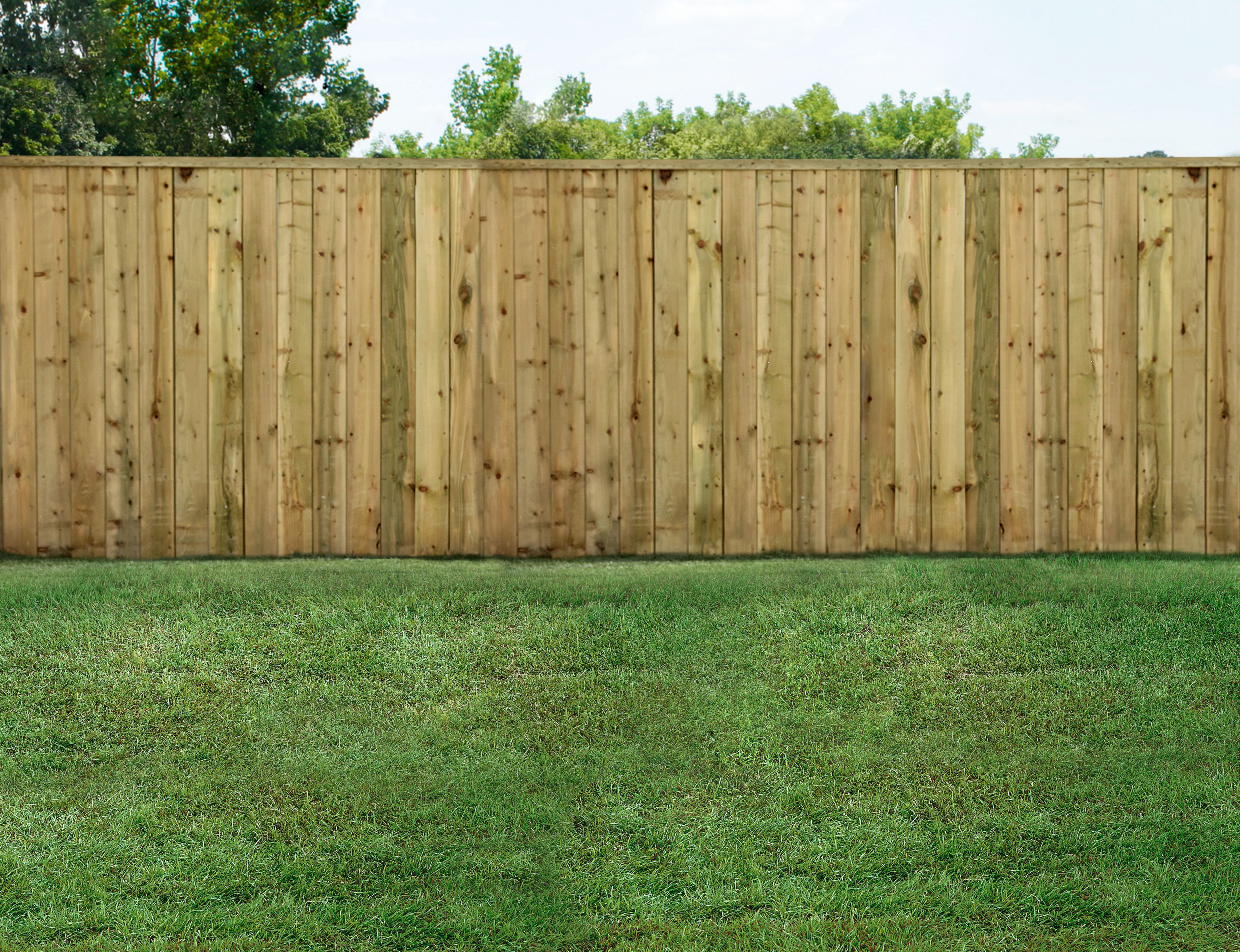
When planning to install a fence in Nashville, you must consider several key regulations. The first is the height restriction. In residential zones, front yard fences are generally limited to four feet, while backyard fences can reach up to six feet. However, there are exceptions for certain materials and designs.
Material choice is another important consideration. Nashville encourages the use of materials that blend well with the surrounding environment, such as wood, wrought iron, or vinyl. Chain link fences, while common, may have additional restrictions, especially in historic districts.
Permits and Approvals
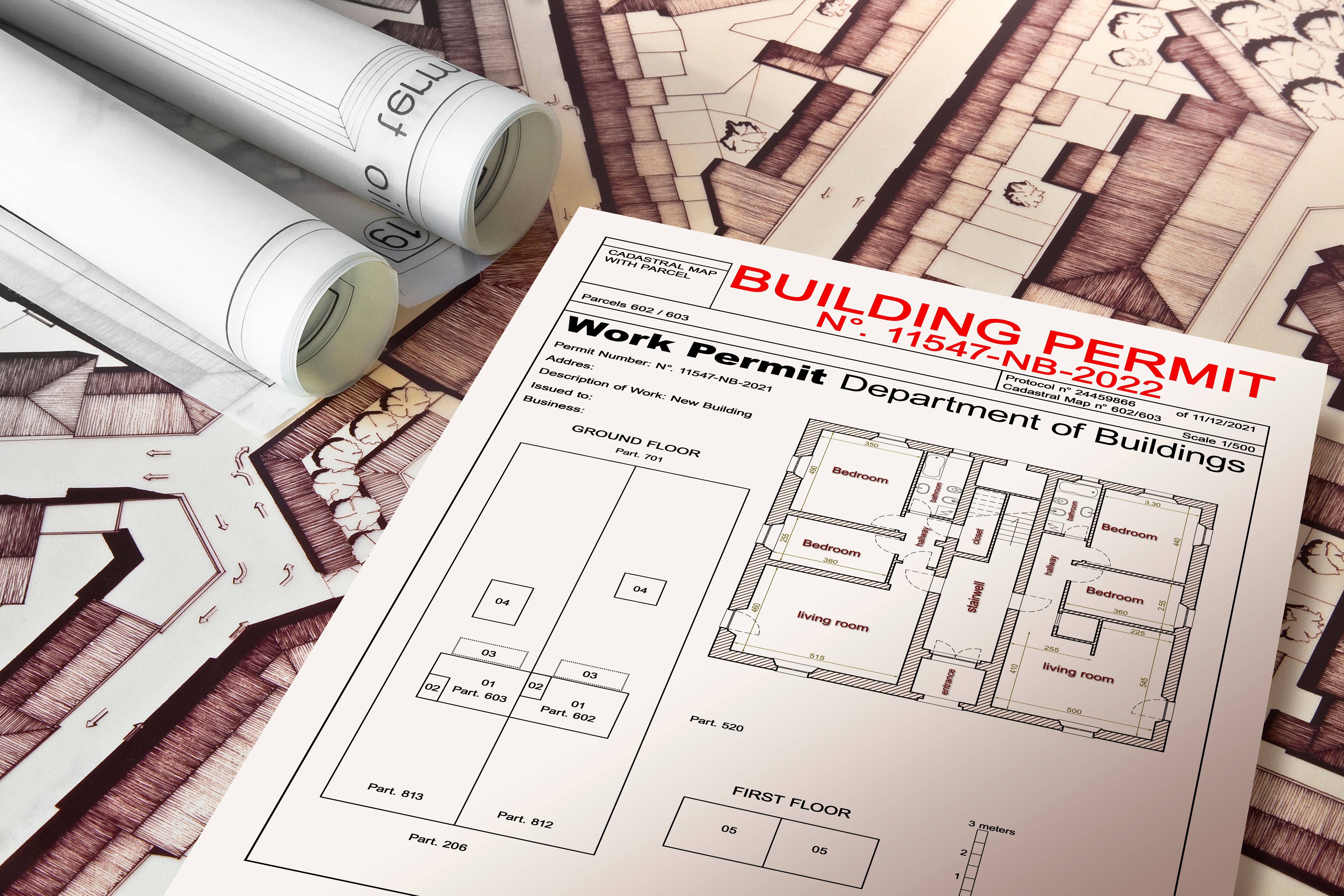
In most cases, you'll need a permit to build a fence in Nashville. Obtaining a permit involves submitting a detailed plan of your proposed fence to the city's Codes Administration. This plan should include the fence's dimensions, materials, and exact location. Once submitted, the review process can take a few weeks.
It's also important to gain approval from any homeowners' association (HOA) that governs your area. HOAs might have their own set of rules regarding fence styles, colors, and maintenance, which can differ from city regulations.
Special Considerations for Historic Districts
Nashville's historic districts have additional regulations to preserve their unique charm. If your property is located in one of these districts, you'll need to adhere to stricter guidelines. This may include using specific materials or maintaining a certain fence height to ensure consistency with the historic character.
Consulting with the Nashville Historic Zoning Commission can provide valuable insights and help you navigate these additional requirements. Their input is crucial for maintaining the integrity of these treasured neighborhoods.
Maintaining Compliance
Once your fence is installed, ongoing maintenance is essential to remain compliant with Nashville's regulations. Regular inspections and timely repairs can prevent potential fines or disputes with neighbors. Keeping your fence in good condition also enhances your property's curb appeal.
In summary, navigating Nashville's fencing regulations requires careful planning and adherence to local laws. By understanding these guidelines and seeking the necessary approvals, you can enjoy the benefits of a well-constructed fence that complements the charm of Nashville's neighborhoods.