
Myth-Busting: Common Misconceptions About Eco-Friendly Fences
Cv
Introduction to Eco-Friendly Fences
As environmental awareness continues to grow, many homeowners are seeking ways to make their properties more sustainable. One area that often comes into question is fencing. There are a lot of myths surrounding eco-friendly fences, leading to confusion and hesitation. In this post, we’ll debunk some common misconceptions, helping you make informed decisions.
Myth 1: Eco-Friendly Fences Are Too Expensive
One of the most prevalent myths is that eco-friendly fences are prohibitively expensive. While it’s true that some sustainable materials may have a higher upfront cost, they often prove to be more cost-effective in the long run. These materials frequently require less maintenance and have a longer lifespan, saving you money over time.
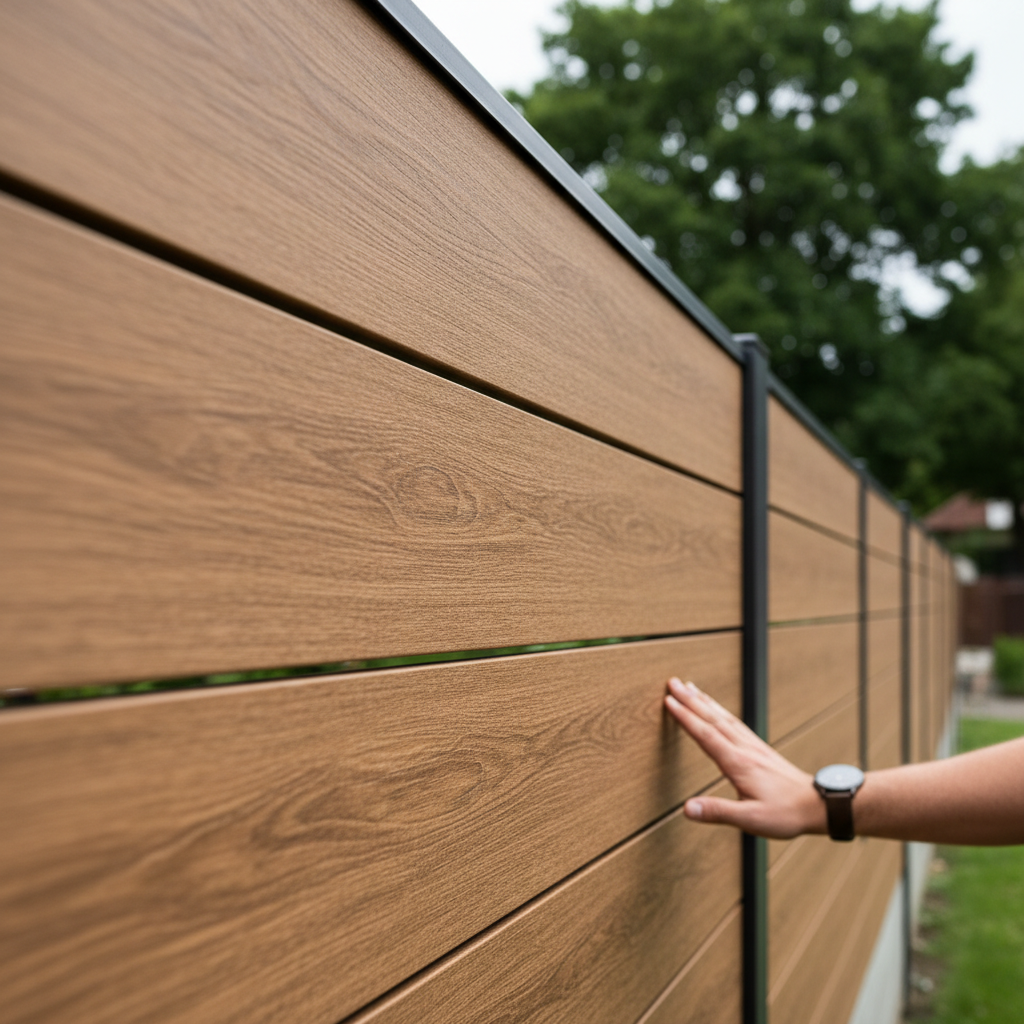
Additionally, there are budget-friendly options available. For example, bamboo and recycled materials can offer a sustainable choice at a reasonable price point. By considering the total cost of ownership, eco-friendly fences can be a financially wise investment.
Myth 2: Limited Design Options
Another misconception is that eco-friendly fences lack variety in design. On the contrary, these fences come in a wide range of styles and finishes. Whether you prefer a modern aesthetic or a rustic look, there are sustainable options to suit your taste.
Materials like reclaimed wood and composite fencing allow for creativity without compromising on sustainability. Many manufacturers are innovating to offer diverse and customizable options that enhance your property’s appeal.

Myth 3: Eco-Friendly Fences Are Not Durable
Durability is a common concern, with many believing that eco-friendly materials cannot withstand harsh weather conditions. However, sustainable materials are often chosen for their robustness and resilience. For instance, composite materials are designed to resist rot, pests, and warping.
Bamboo, known for its strength, is another excellent option. These materials are engineered to last, providing long-term solutions for your fencing needs.
Myth 4: Difficult to Maintain
Some people assume that eco-friendly fences require more maintenance. In reality, many sustainable fencing options are low-maintenance. For example, composite fences need only occasional cleaning to maintain their appearance, while naturally weather-resistant materials like cedar require minimal upkeep.
Choosing the right material can significantly reduce the time and effort spent on maintenance, allowing you more time to enjoy your outdoor space.
Conclusion: Making the Right Choice
By dispelling these myths, we hope to provide clarity on the benefits of eco-friendly fences. With a range of options available that cater to different budgets, styles, and maintenance preferences, sustainable fencing is accessible to everyone. By choosing eco-friendly materials, you are contributing to a healthier planet while enhancing your property.
Consider the long-term benefits and environmental impact when selecting your next fence. Embrace the opportunity to make a positive change while enjoying the aesthetic and functional benefits of an eco-friendly fence.