
Fence Regulations in Nashville: What Homeowners Need to Know
Cv
Understanding Nashville's Fence Regulations
Building a fence around your property in Nashville can enhance privacy, security, and aesthetics. However, it's crucial to understand the local fence regulations before starting construction. Failing to comply with these rules can lead to fines or the necessity to alter or remove your fence.
In Nashville, fence regulations are governed by the Metropolitan Code of Laws. These regulations are designed to ensure safety, preserve neighborhood aesthetics, and protect property values. Here’s what you need to know before putting up a fence.
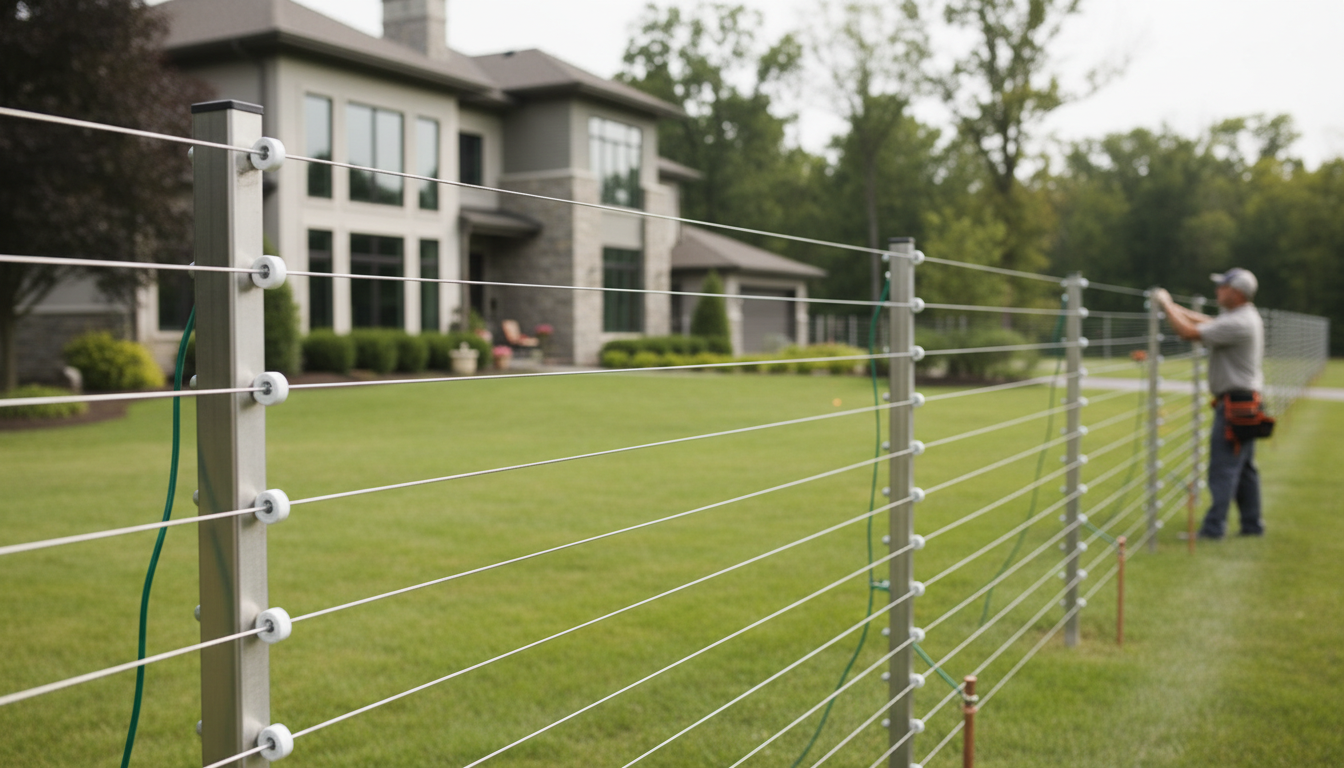
Height Restrictions and Location
One of the primary considerations is the height of your fence. In most residential areas, front yard fences are limited to a height of 4 feet, while backyard fences can be as tall as 6 feet. However, exceptions exist for properties with specific zoning or historical designations.
Moreover, fences must be set back a certain distance from the property line. Generally, fences should be placed 1 foot inside your boundary lines to avoid disputes with neighbors. It's recommended to have a survey done to accurately determine your property lines.

Material and Design Guidelines
Nashville's regulations also dictate the types of materials and designs permissible for residential fences. Common materials like wood, vinyl, and chain-link are generally allowed, but certain neighborhoods with homeowners associations may have stricter rules.
Designs should complement the architectural style of your home and surrounding properties. For example, some areas may require open-style fencing, such as picket or wrought iron, especially in historic districts.

Permitting and Approval Process
Before installation, you might need to obtain a fence permit from the Metropolitan Nashville Department of Codes and Building Safety. This process involves submitting plans that detail the fence's location, height, and materials.
In some cases, especially if your property is in a historical or conservation district, additional approvals may be required. It's essential to check with your local zoning office to ensure all regulations are met.
Working with Neighbors
Building a fence can impact neighbors, so it's courteous to notify them about your plans. Discussing your intentions can help prevent disputes and foster good relationships. If your fence is on the property line, consider sharing costs and maintenance responsibilities with your neighbor.
Clear communication can lead to mutual agreements that benefit both parties and ensure the fence enhances the neighborhood's overall appeal.
Consequences of Non-Compliance
Failing to adhere to Nashville's fence regulations can lead to various penalties, including fines and legal action. The city may require you to modify or remove non-compliant fences, which can be costly and time-consuming.
To avoid these issues, it's best to consult with a local expert or contractor familiar with the area's regulations. They can provide guidance and ensure your project meets all necessary requirements.
By understanding and following Nashville's fence regulations, you can create a beautiful and compliant addition to your property that enhances its value and functionality.