DIY Fence Installation Tips from Nashville Experts: When to Hire a Professional
Cv
Planning Your DIY Fence Project
Before diving into a DIY fence installation, it's essential to plan your project meticulously. Start by deciding the purpose of your fence. Are you seeking privacy, security, or simply adding a decorative touch to your property? Knowing your goals will guide your material and design choices.
Once you have clarity on the fence's purpose, measure your property to determine the precise amount of materials required. It's wise to purchase a little extra to account for any mistakes or adjustments during installation.
Choosing the Right Materials
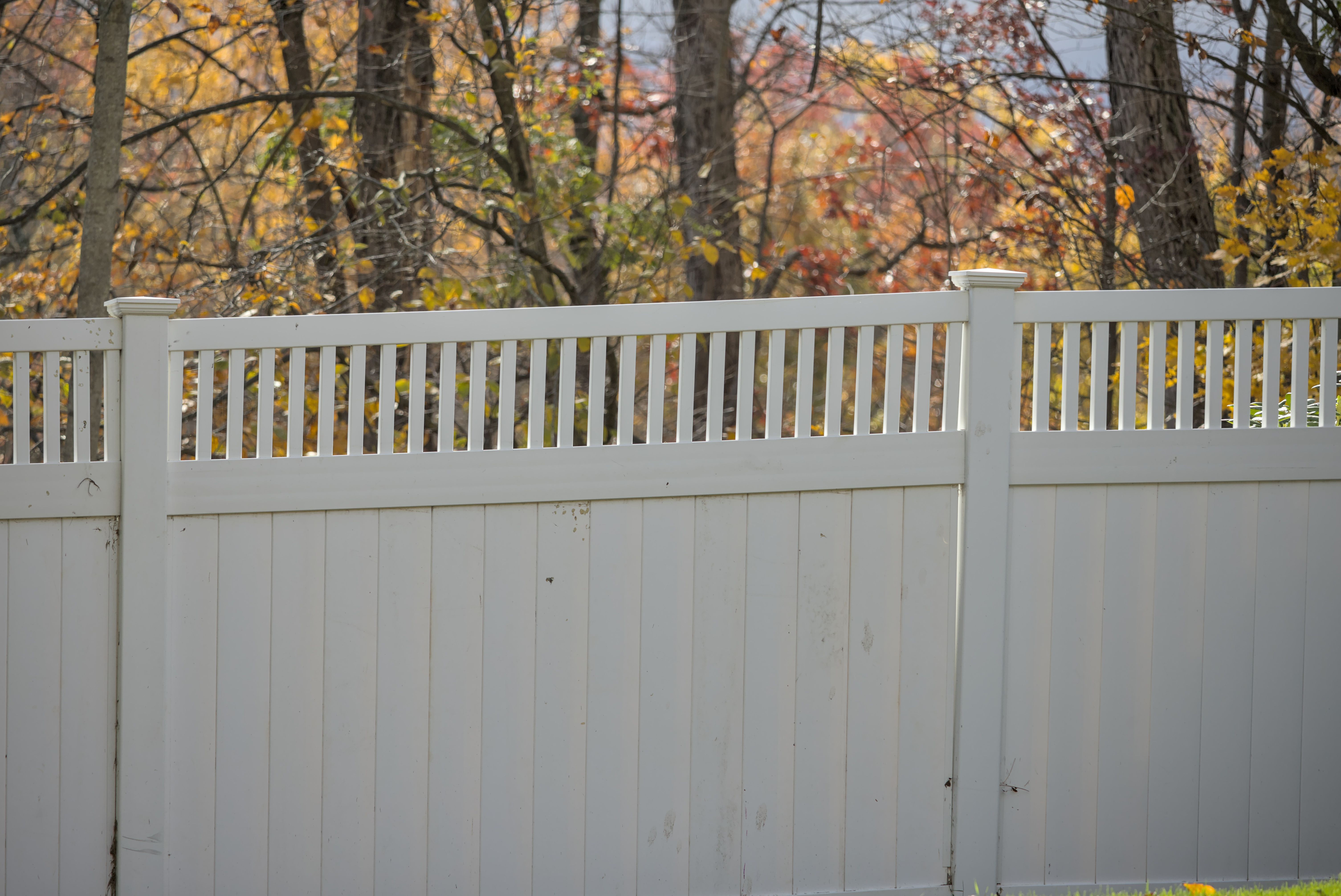
The choice of materials can significantly impact the durability and appearance of your fence. Common options include wood, vinyl, aluminum, and chain link, each offering unique benefits. For instance, wood provides a classic look, while vinyl is low-maintenance and weather-resistant.
Consider local climate conditions when selecting materials. In Nashville, where humidity and rainfall are common, choosing weather-resistant materials like treated wood or vinyl can enhance longevity.
Gathering Your Tools
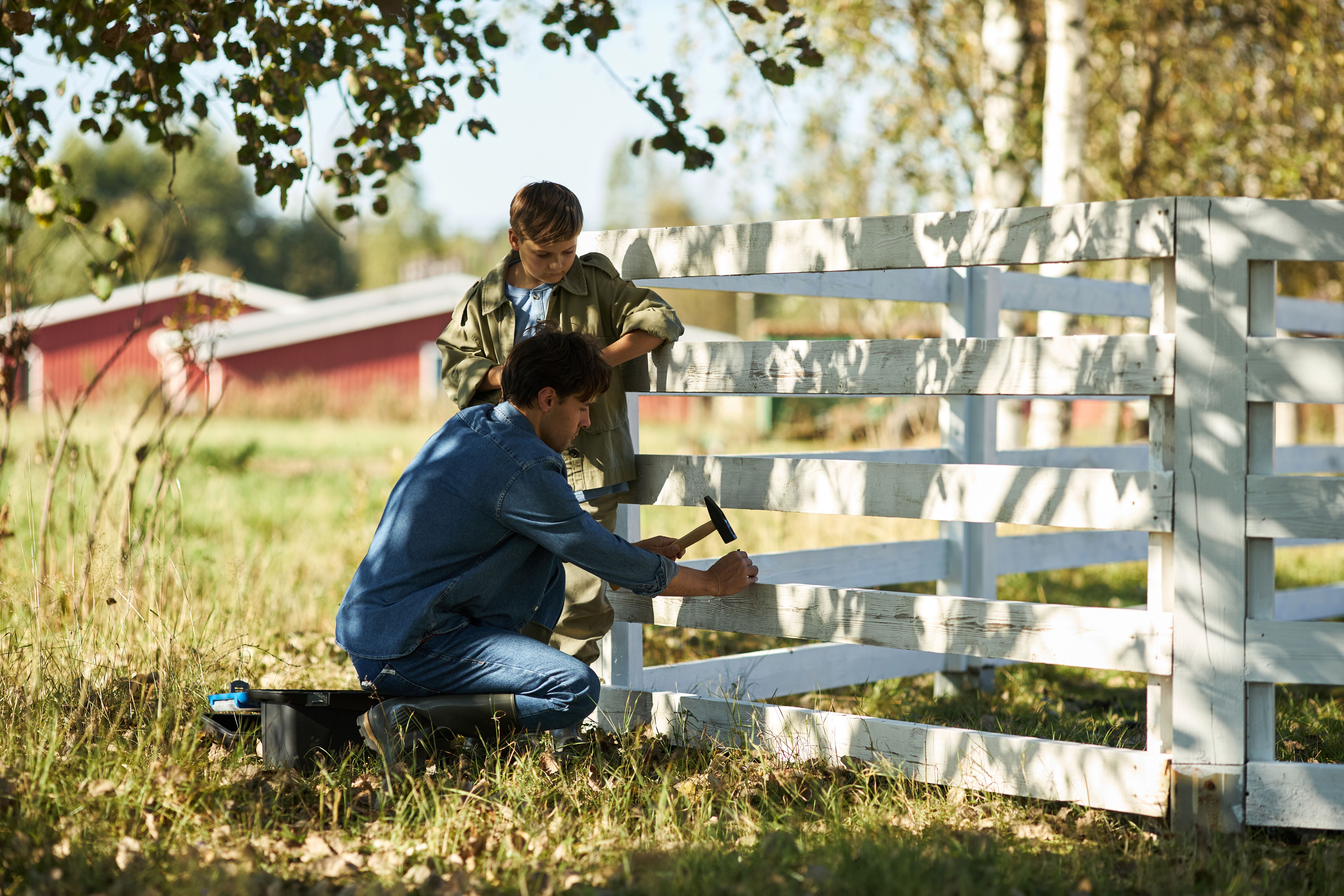
Having the right tools on hand is crucial for a successful DIY fence installation. Essential tools include a post-hole digger, level, drill, saw, and measuring tape. Additionally, safety gear such as gloves and goggles should not be overlooked.
Investing in quality tools can save you time and frustration during the installation process. If you don’t own specific tools, consider renting them from a local hardware store.
Installation Steps
Once you're ready to start, follow these basic steps for fence installation:
- Mark the perimeter and dig post holes.
- Set posts in concrete for stability.
- Attach panels or rails to the posts.
- Ensure the fence is level and secure.
- Finish with protective treatments if necessary.
Each step requires careful attention to detail to ensure your fence is both functional and aesthetically pleasing.
When to Consider Hiring a Professional
While DIY projects can be rewarding, there are times when hiring a professional is the best choice. If your property has uneven terrain, complex angles, or requires custom designs, professional expertise may be necessary.
Additionally, if you lack the time or confidence to complete the project, a professional can ensure a high-quality result, often with a warranty on the work performed.
Understanding Local Regulations
Before starting your fence installation, research local regulations and HOA guidelines. Nashville has specific codes regarding fence height and placement, which must be adhered to avoid penalties.
Contacting your local zoning office or homeowners association can provide clarity and help you avoid costly mistakes. A professional installer will be familiar with these regulations, offering peace of mind.

Maintaining Your New Fence
Once installed, regular maintenance is key to prolonging the life of your fence. Inspect for damage or wear periodically and address issues promptly. For wooden fences, applying sealant or paint can protect against the elements.
Vinyl and aluminum fences require less maintenance but should still be cleaned regularly to maintain their appearance.
Conclusion
Installing a fence can be a fulfilling DIY project with the right preparation and tools. However, knowing when to seek professional help ensures your investment is protected. Ultimately, whether you choose to DIY or hire an expert, a well-installed fence adds value and beauty to your property.