
Comparing Wood Fencing to Vinyl: Which is Best for Your Nashville Home?
Cv
When choosing the right fencing for your Nashville home, two popular options often come to mind: wood and vinyl. Both materials offer distinct advantages and can complement your property beautifully. In this guide, we'll explore the key differences between wood and vinyl fencing to help you make an informed decision.
Appearance and Aesthetic Appeal
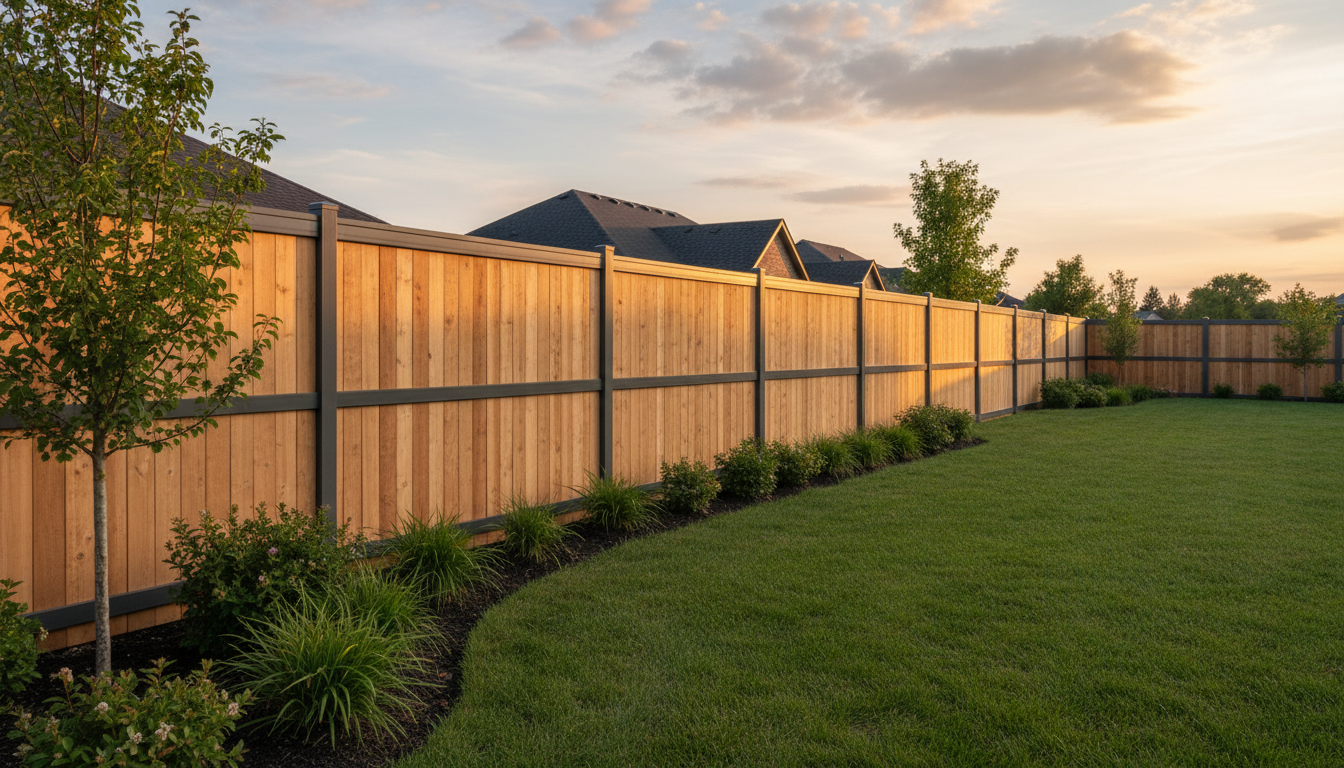
Wood fences offer a classic and natural look that appeals to many homeowners. Available in various styles, such as picket, privacy, and split rail, wood can be customized with different stains and paints to match your home’s aesthetic.
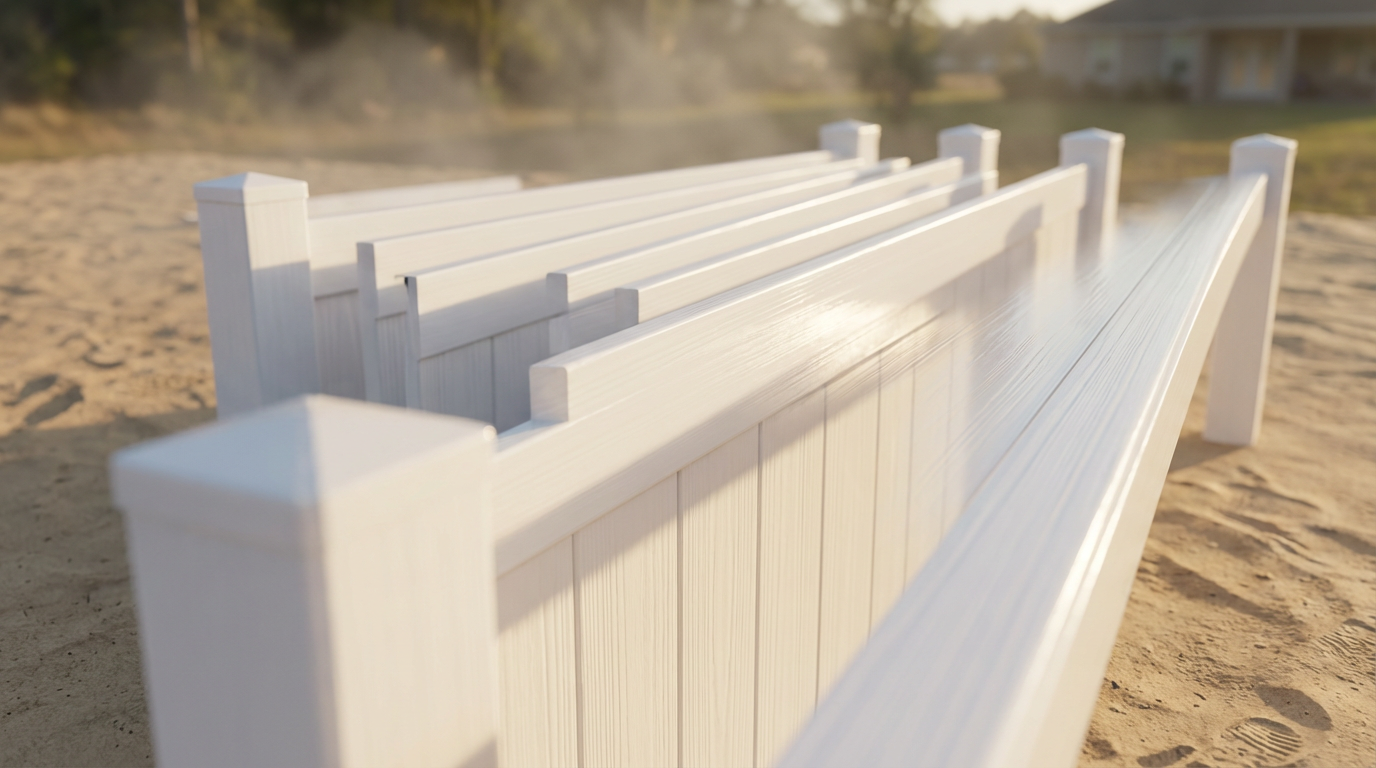
On the other hand, vinyl fences provide a sleek and modern appearance. They come in a range of colors and designs, mimicking the look of wood without the need for regular maintenance. For homeowners seeking a clean and uniform look, vinyl is an attractive option.
Durability and Maintenance
Durability is a crucial factor when selecting fencing material. Wood, while sturdy, is susceptible to weathering, rot, and pests. Regular maintenance, such as staining or sealing, is necessary to prolong its lifespan.
Vinyl fences are known for their durability and resistance to elements. They do not warp, rot, or attract pests, making them a low-maintenance choice. A simple wash with soap and water can keep them looking new for years.
Cost Considerations
Budget is often a determining factor in choosing fencing materials. Initially, wood fencing is generally less expensive than vinyl. However, the ongoing maintenance costs can add up over time, potentially making wood more expensive in the long run.
Vinyl fences, while having a higher upfront cost, require minimal maintenance, which can lead to savings in the future. It’s important to weigh both initial and long-term costs when making your decision.
Environmental Impact
For environmentally conscious homeowners, wood fencing is often considered the greener option, especially if sourced from sustainable forests. It is biodegradable and can be recycled at the end of its life.
Vinyl, on the other hand, is made from PVC, which is less eco-friendly. However, some manufacturers offer recyclable vinyl options. Consider your environmental priorities when choosing between these materials.
Installation and Flexibility
Wood fencing can be more flexible in terms of installation, allowing for customization in height and design. This can be particularly beneficial if your property has unique landscaping features.
Vinyl fencing is typically easier and quicker to install due to its uniform panels and prefabricated components. This can reduce installation time and potentially lower costs.
Ultimately, the choice between wood and vinyl fencing depends on your personal preferences, budget, and long-term goals. By considering factors such as appearance, durability, cost, environmental impact, and installation, you can select the perfect fence for your Nashville home.